
Food is one of the easiest ways to understand a place. When you discover local food, you also learn about the history, the people, and the traditions that shaped it.
This guide covers 10 simple ways to enjoy local food on your travels, with real examples you can look for in your next destination.
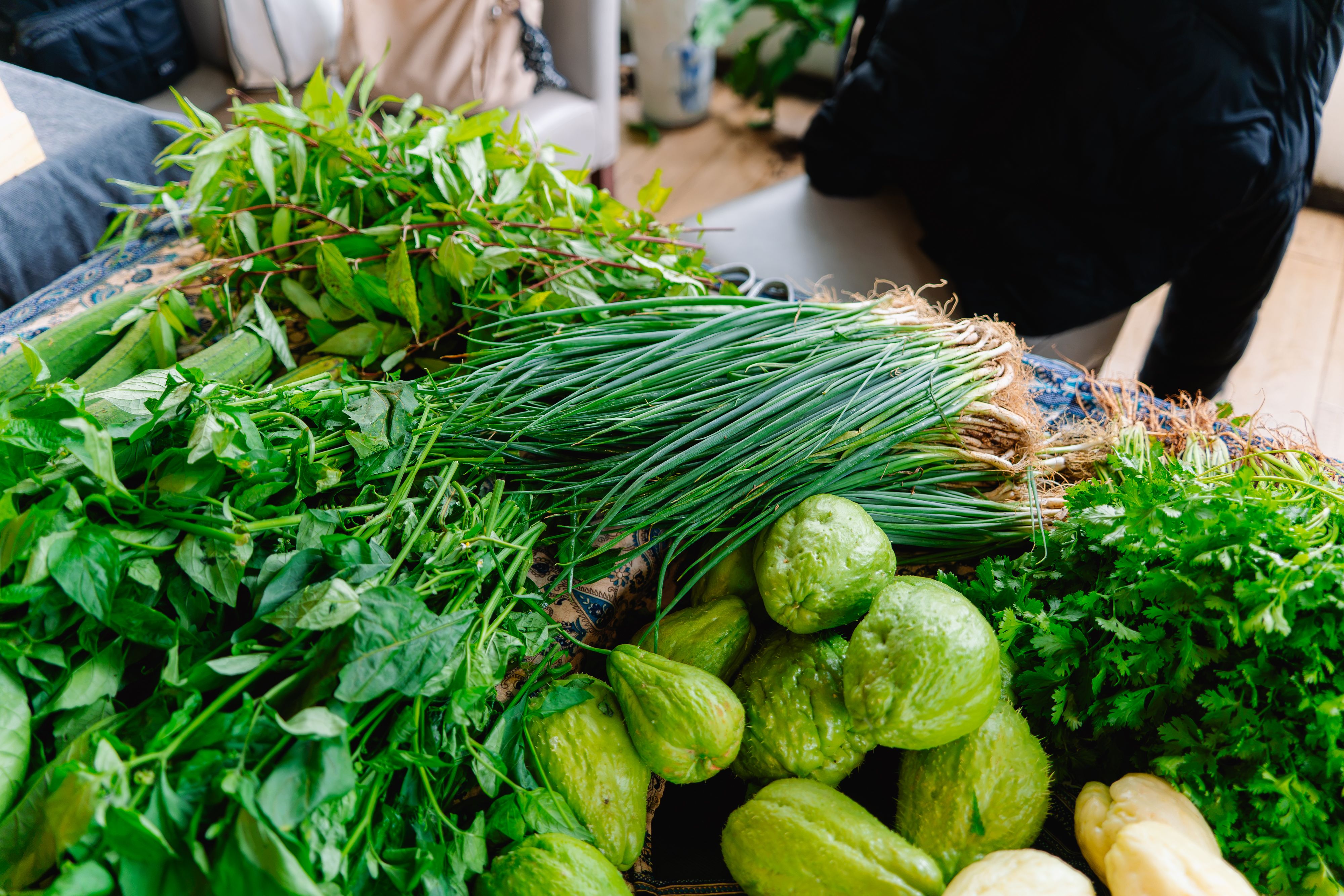
10 Ways to Discover Local Food and Its Stories
1. The Story Behind Local Food
Every dish has a past. Learning where a food comes from, and why people eat it, makes every bite more meaningful.
Take pizza in Naples, Italy. It started as a simple, affordable meal for working families, and the classic Margherita is often said to be named after Queen Margherita of Savoy, who visited the city in 1889.
A few easy ways to learn a dish's story:
Ask the cook or restaurant owner where the dish comes from
Read the menu notes, since many small restaurants explain their dishes
Join a local food tour led by someone from the area
2. Popular Local Foods to Try
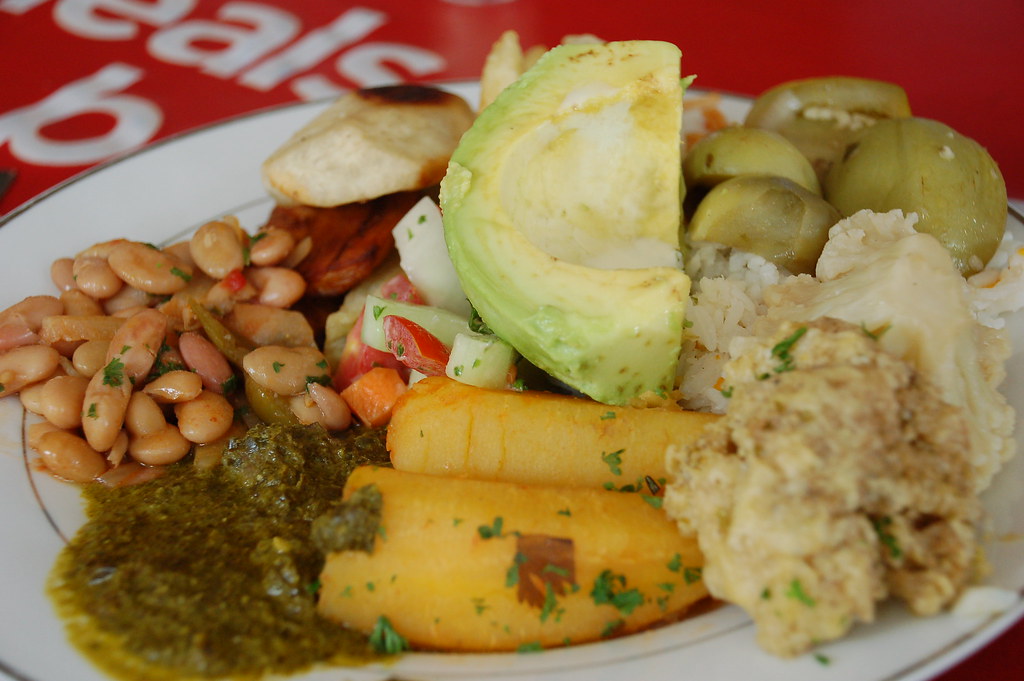
Most destinations have a few dishes that almost every visitor should try. These are usually the foods locals are proudest of.
Some well-known examples include:
Pad Thai in Thailand, a stir-fried noodle dish with a balance of sweet, sour, and salty flavors
Tacos al pastor in Mexico, made with marinated pork cooked on a vertical spit
Jollof rice in West Africa, a spiced tomato-based rice dish shared at many celebrations
Brochettes in Rwanda, grilled skewered meat often enjoyed with friends
Travel tip: Before you go, write down three dishes you want to try. It gives your trip a tasty goal.
3. Traditional Foods and Recipes
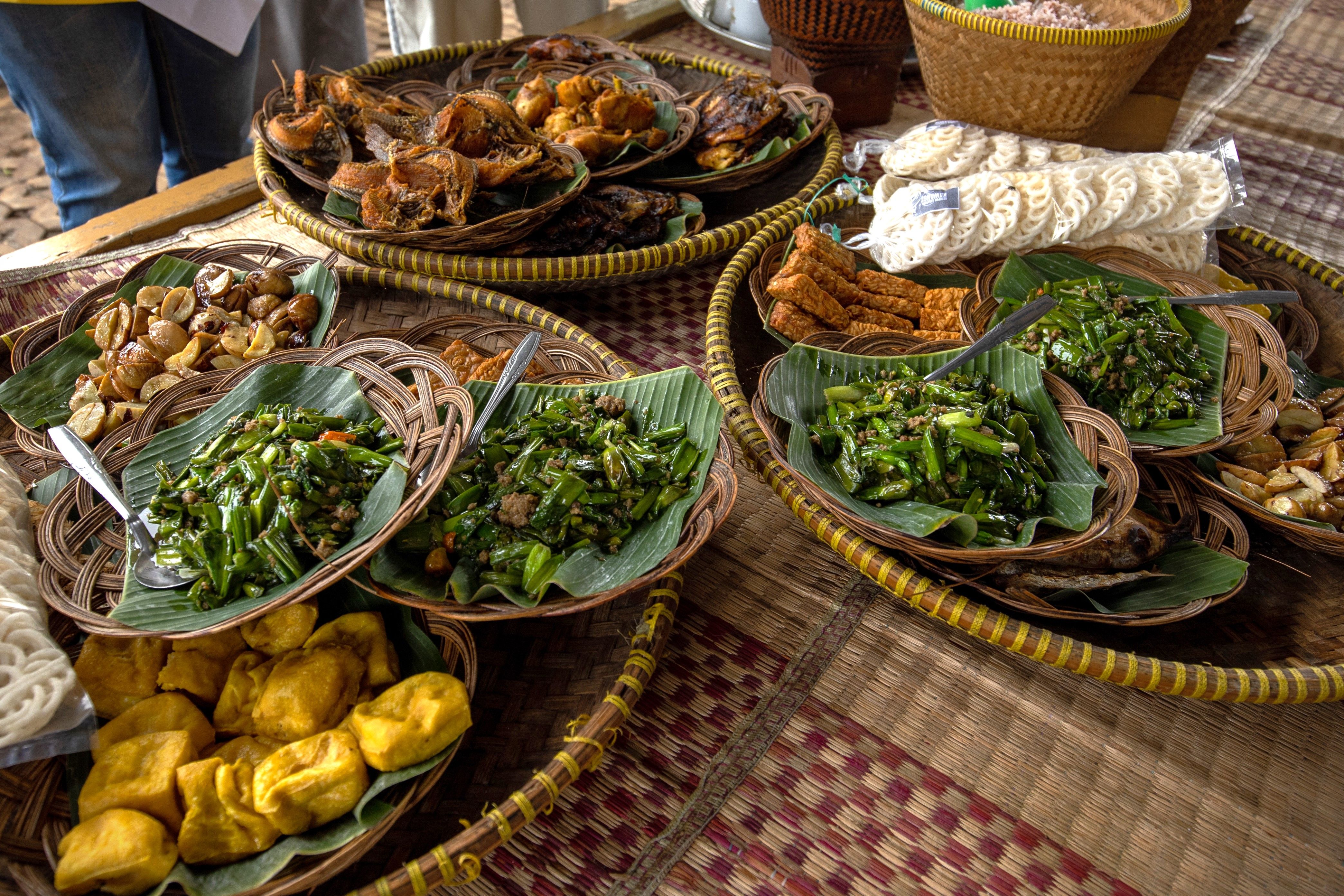
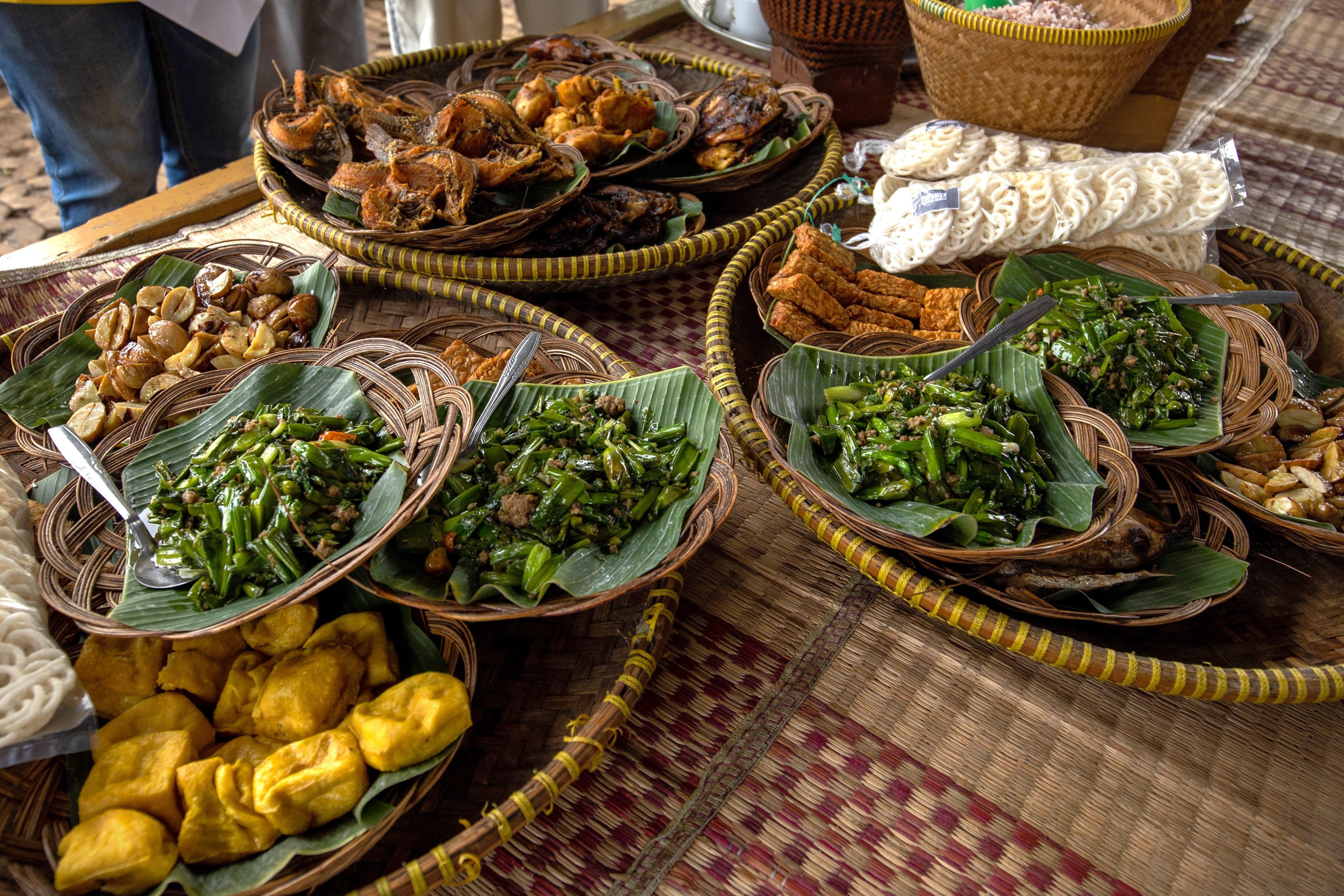
Many traditional dishes are recipes passed from one generation to the next, often without being written down. They carry family memories and cultural pride.
In Korea, families have long made kimchi together in a yearly gathering called kimjang, which UNESCO added to its list of intangible cultural heritage in 2013. In Ethiopia, injera, a soft and slightly sour flatbread made from teff, is served with stews and eaten by hand from a shared plate.
4. Local Street Food
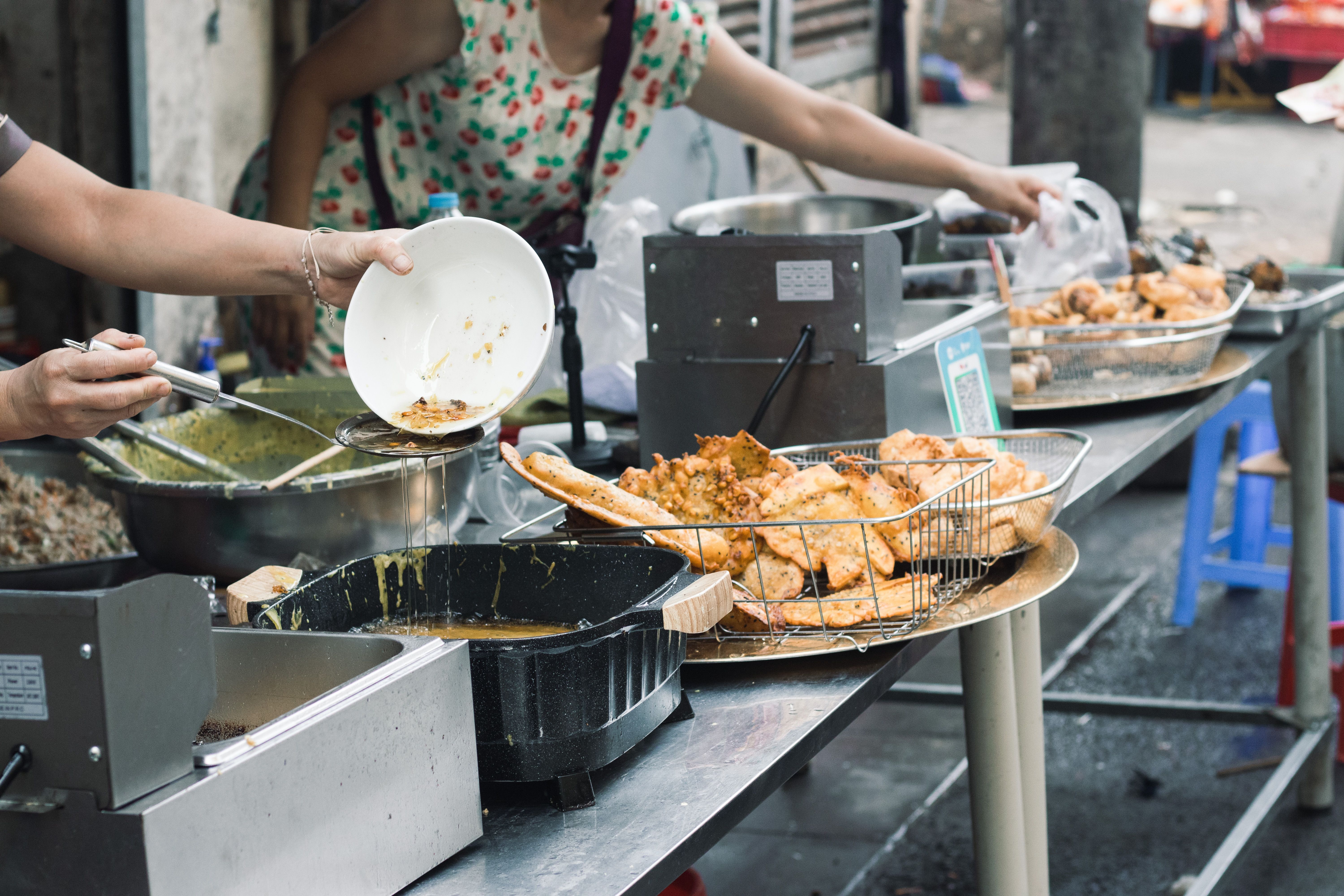
Street food is tasty, affordable, and often the most honest way to try a city's flavors. It's also where many locals eat on a normal day.
Popular street food examples include:
Bangkok, Thailand: grilled skewers, fresh fruit, and noodle soups from roadside stalls
Mexico City, Mexico: tacos, tamales, and corn on the cob
Istanbul, Turkey: simit, a sesame-covered bread ring sold on many street corners
Mumbai, India: vada pav, a spiced potato fritter served in a soft bun
Travel tip: Choose stalls with a steady line of local customers. Busy stalls usually mean fresh food and quick turnover.
5. Food in Local Markets
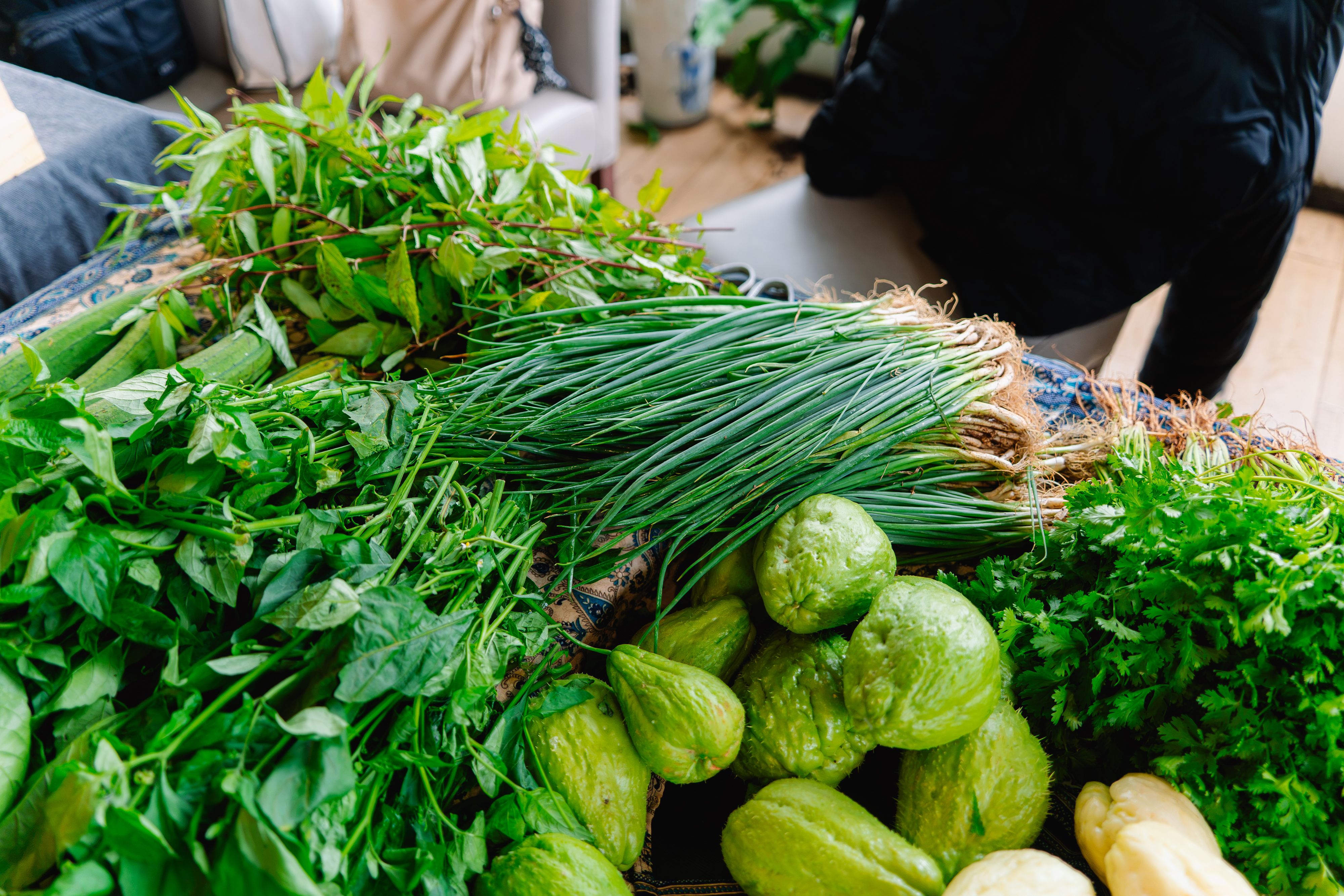
Markets show you what local people actually buy and cook. You'll see fresh fruit, vegetables, spices, bread, and snacks, often at lower prices than in tourist areas.
Good markets to explore include La Boqueria in Barcelona, Borough Market in London, and Kimironko Market in Kigali. Even if you don't buy much, walking through a market is a great way to see everyday life.
Simple market tips:
Go in the morning, when produce is freshest
Carry small bills or coins for easier payment
Ask before taking photos of vendors
6. How Local Food Is Made
Seeing how a dish is prepared helps you appreciate the skill behind it. Many traditional foods follow slow, careful methods.
Traditional Mexican tortillas are a good example. The basic steps are:
Soak dried corn in water with lime, a process called nixtamalization
Grind the softened corn into dough, known as masa
Shape the dough into thin, round discs
Cook the discs on a hot flat griddle called a comal
A cooking class is one of the best ways to see these steps up close, and you get to eat the results.
7. Food and Local Traditions
Food often sits at the center of celebrations, family life, and religious or seasonal traditions. Certain dishes only appear at special times of the year.
Here are a few examples:
Lunar New Year: many families in China make and share dumplings
Day of the Dead (Mexico): families prepare pan de muerto, a sweet bread, to honor loved ones
Eid: families in many countries share special sweets and festive meals after fasting
If you can, plan part of your trip around a local festival. It's a wonderful way to see food and culture come together.
8. Local Drinks You Should Try
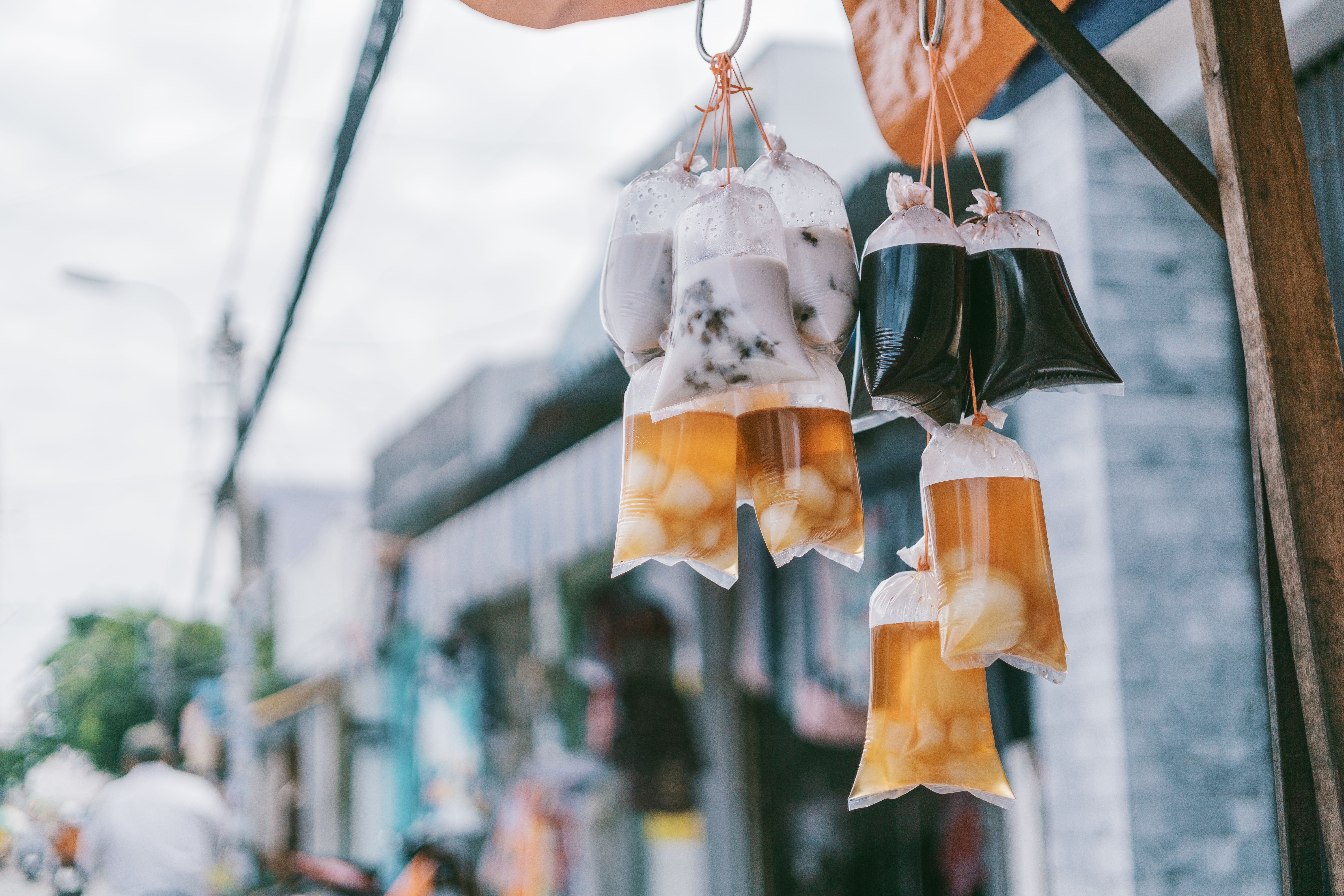
Drinks tell their own story. From daily tea to festive cocktails, they show how people relax, welcome guests, and celebrate.
Drinks worth trying include:
Çay (tea) in Turkey: served hot in small tulip-shaped glasses
Mint tea in Morocco: poured from a height and offered as a sign of hospitality
Vietnamese iced coffee: strong coffee mixed with sweet condensed milk
Horchata in Mexico: a cool, sweet drink often made with rice and cinnamon
Caipirinha in Brazil: the country's national cocktail, made with cachaça, lime, and sugar
Travel tip: Drink bottled or properly treated water where tap water isn't recommended, and ask locals if ice is safe.
9. Meet the People Behind the Food
Behind every dish are farmers, fishers, cooks, sellers, and families who work hard to bring it to the table. Meeting them adds a personal side to your meal.
You can connect with them by:
Visiting a family-run farm or fishing village
Joining a small-group cooking class led by a local cook
Eating at family-owned restaurants and chatting with the owners
These simple moments often become the most memorable parts of a trip.
10. Where to Find Local Food
Finding real local food is easier than it sounds. You just need to know where to look.
Good places to start:
Local markets: fresh food, snacks, and small eateries
Family-run restaurants: often away from the main tourist streets
Street food stalls: busy ones with local customers
Food festivals: a great way to taste many dishes in one place
Local food tours: guided walks with tastings and stories
Oozoni's destination guides can help you plan trips around the places and food experiences you most want to try.
Final Thoughts The Local Food and the Stories Behind It
When you discover local food, you do more than fill your stomach. You learn how people live, celebrate, and share what they have.
On your next trip, try one new dish, visit one local market, and ask one person about their favorite meal. Small steps like these can turn any journey into a richer, tastier experience.