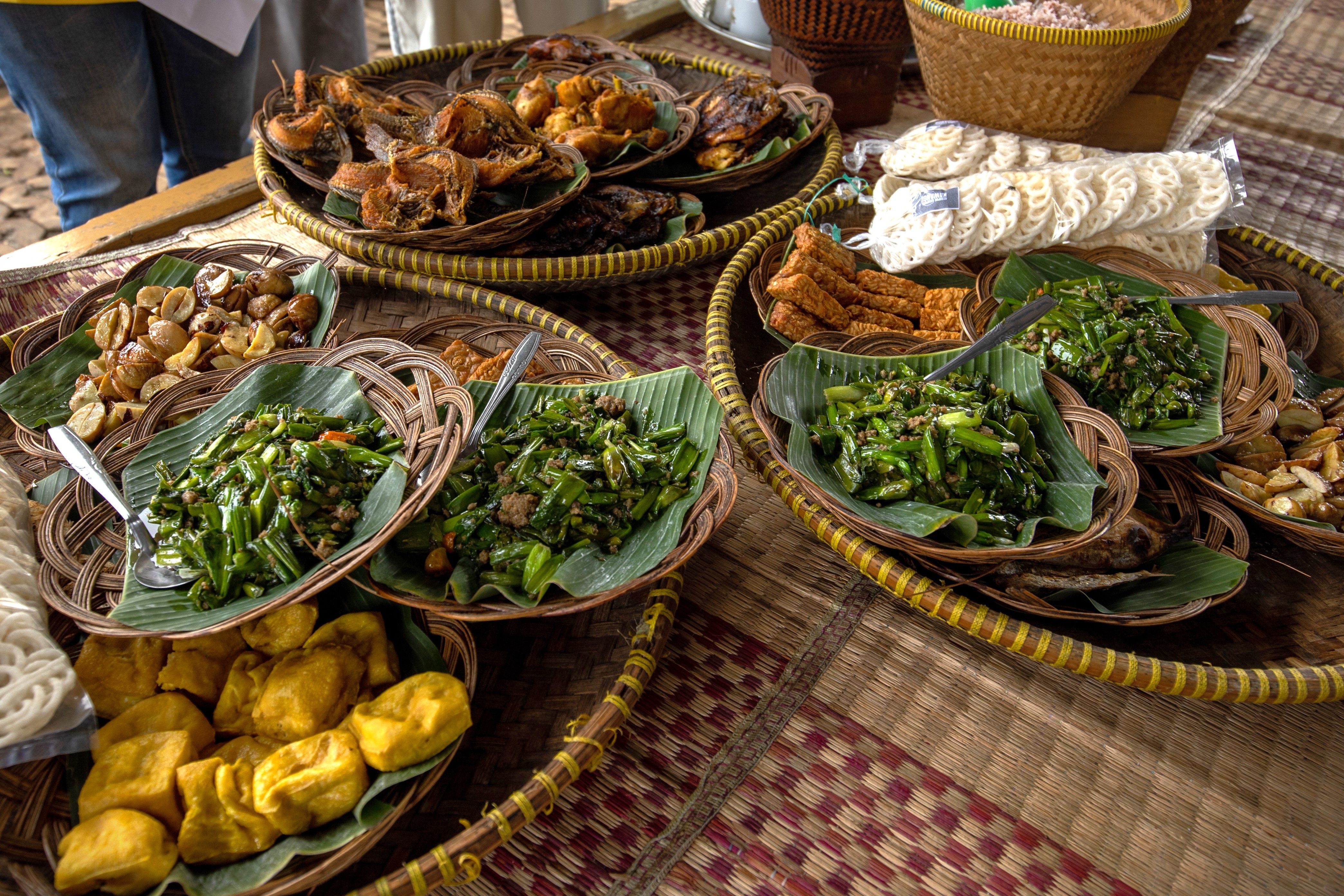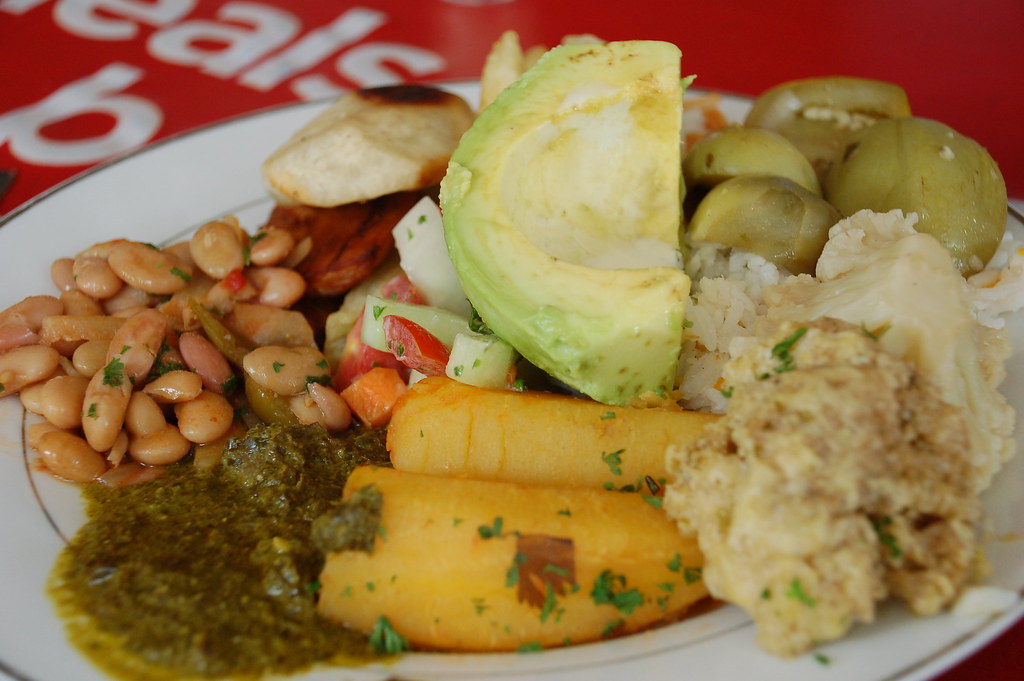

So, what does Rwanda taste like? To really answer that, you need more than a restaurant menu; you need the markets, the kitchens, the coffee farms, and the meals shared between neighbors.
Rwanda is known for its mountain gorillas, its lakes, and those endless green hills. But if you really want to understand the country, sit down at a table. Rwanda tells its story through food, in the markets, the kitchens, the coffee farms, and the meals shared between neighbors.
A plate of warm isombe next to soft ubugali, smoky goat brochettes fresh off the grill, ripe tropical fruit, a strong cup of local coffee. Each one carries a piece of the land and the people who grow it.
This is a look at Rwanda through its food: one meal, one market, one story at a time.
Rwandan Food Starts with the Land
Most Rwandan meals begin on a farm, not in a factory. Agriculture shapes what ends up on the table, and that connection between land and food is part of what makes the cuisine feel so honest.
You'll find these ingredients again and again:
Beans
Cassava
Sweet potatoes
Maize
Cooking bananas
Irish potatoes
Pumpkin
Cassava leaves
Fresh vegetables and fruit
Meat and fish
Rwandan cooking isn't about complicated technique. It's about fresh ingredients, simple preparation, and portions meant to be shared. That simplicity is exactly what makes it worth trying.
Traditional Dishes Worth Seeking Out
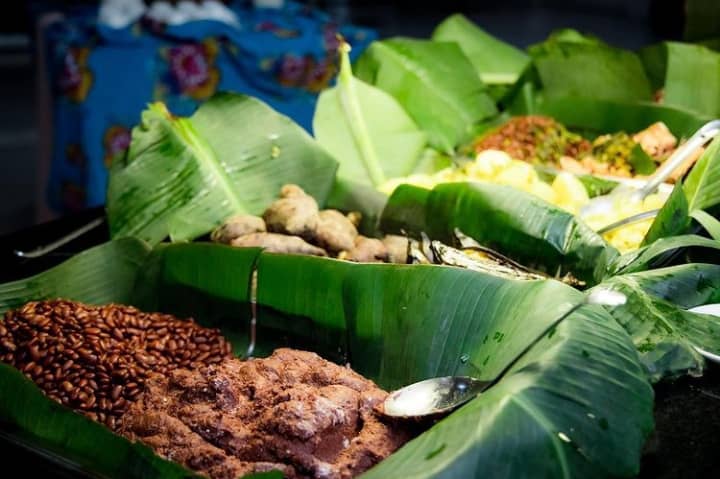
If you're visiting Rwanda for the first time, the food alone can turn into one of the best parts of the trip.
Isombe Cassava leaves, cooked down and often mixed with peanuts, onion, and a few seasonings. It's usually served alongside ubugali or rice, and it's one of the dishes locals grew up eating at home.
Ubugali A firm, filling staple made from maize or cassava flour. Pair it with vegetables, beans, meat, or a good stew, and you've got a meal that shows up on tables across the country almost every day.
Brochettes Ask anyone what Rwandan street food looks like, and this is probably what comes to mind. Skewered meat, usually goat, sometimes beef, chicken, or fish, grilled over charcoal. They're best eaten in the evening, at a casual spot, with good company.
Ibitoke Cooking bananas, boiled, steamed, or folded into other dishes. Mild and soft, they pair naturally with beans, meat, and sauce.
Agatogo A one-pot dish, often built around cooking bananas with vegetables or meat added in. It's comfort food, the kind of meal that gives you a real sense of what home cooking looks like in Rwanda.
What's in the Glass
Food isn't the only story here. Rwanda has its own drinking culture too:
Rwandan coffee
Rwandan tea
Ikivuguto, a traditional fermented milk
Fresh fruit juice
Traditional banana-based drinks
Local soft drinks
The Rwandan Coffee Experience
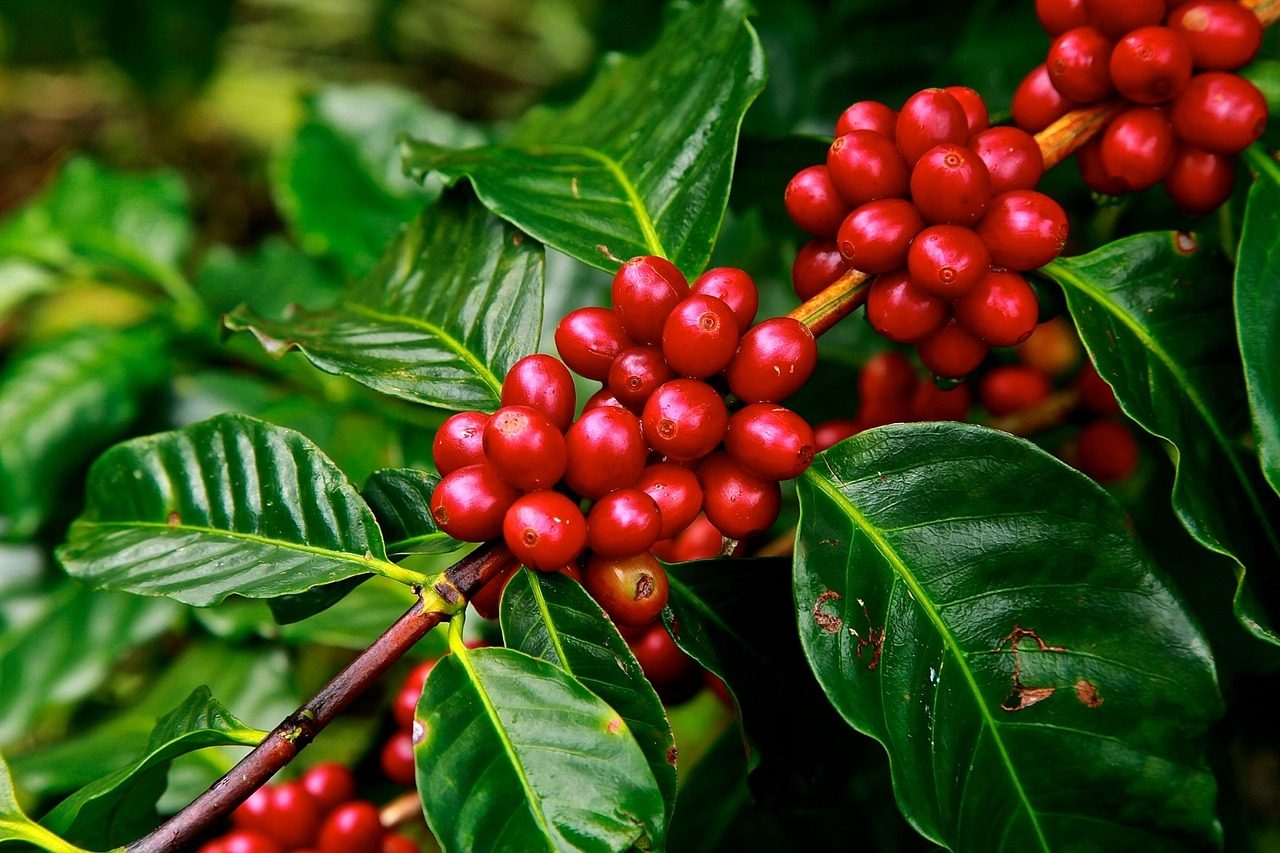
Rwanda has built a real name for itself in specialty coffee, and a coffee tour here is far more than a cup at breakfast.
A good coffee tour usually includes:
A visit to a coffee-growing community
Watching how the cherries are harvested
Learning how the beans get processed
Seeing the beans prepared and roasted
Sitting down to taste a freshly brewed cup
For anyone who loves coffee, this might be the single best cultural experience Rwanda has to offer.
Local Markets: Rwanda's Everyday Heartbeat
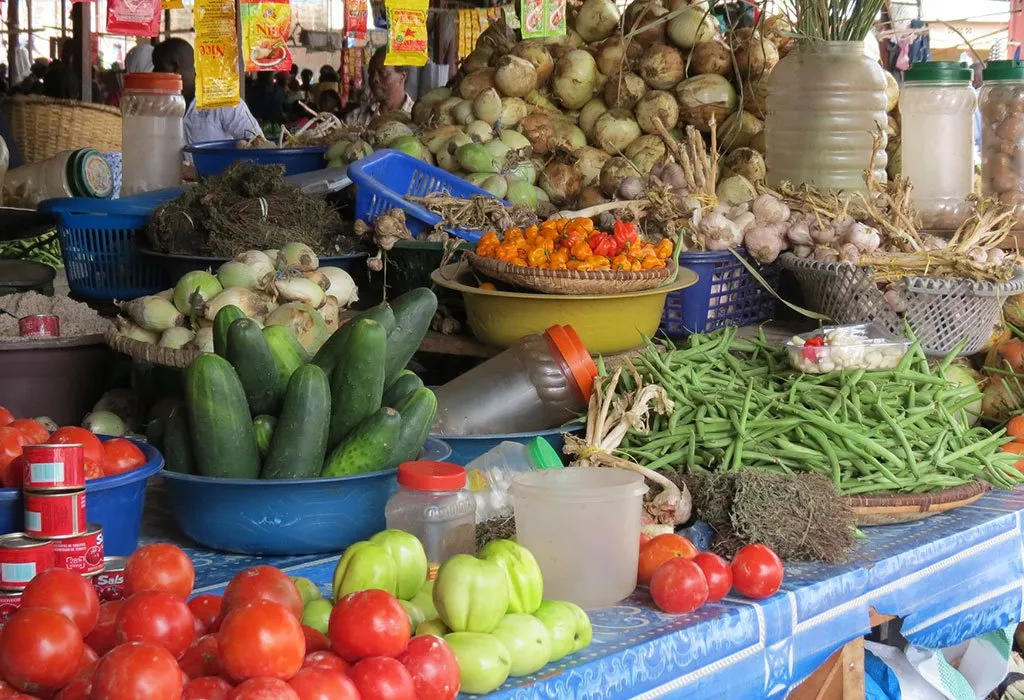
Want to see how Rwandans actually live day to day? Go to a market.
Farmers, vendors, families, and travelers all end up in the same place, surrounded by color and noise and the smell of fresh produce. You'll likely spot:
Bananas
Avocados
Sweet potatoes
Cassava
Beans
Vegetables and fruit
Groundnuts
Spices
Local snacks
Freshly prepared food
A market isn't just a place to shop. It's a window into daily life, and one of the easiest ways to connect with the community around you.
Food, Family, and Hospitality
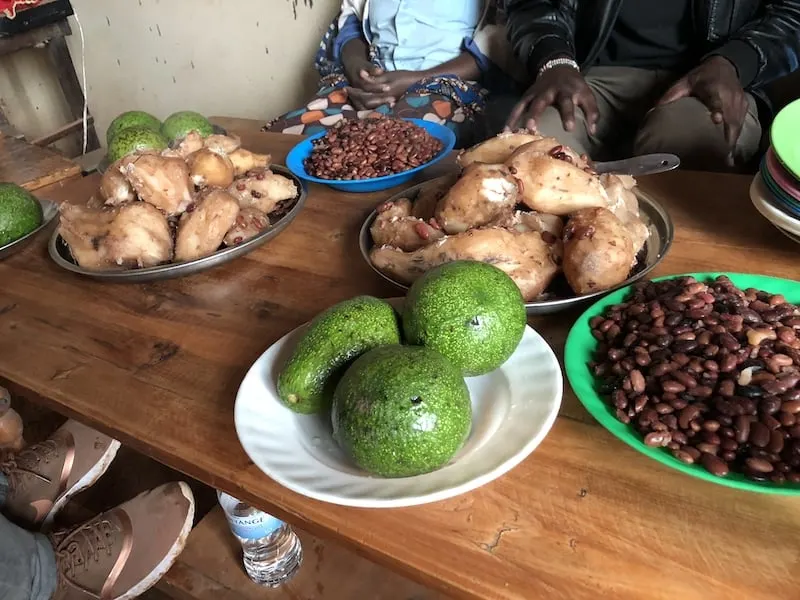
In Rwanda, sharing food is how people welcome guests, build relationships, and mark important moments. Meals matter here in a way that goes beyond nutrition.
That means the most memorable meal of your trip might not come from a fancy restaurant. It might come from a plastic chair at a simple table, sharing ubugali with a family who wants to tell you their story.
Beyond the Plate: Rwandan Culture
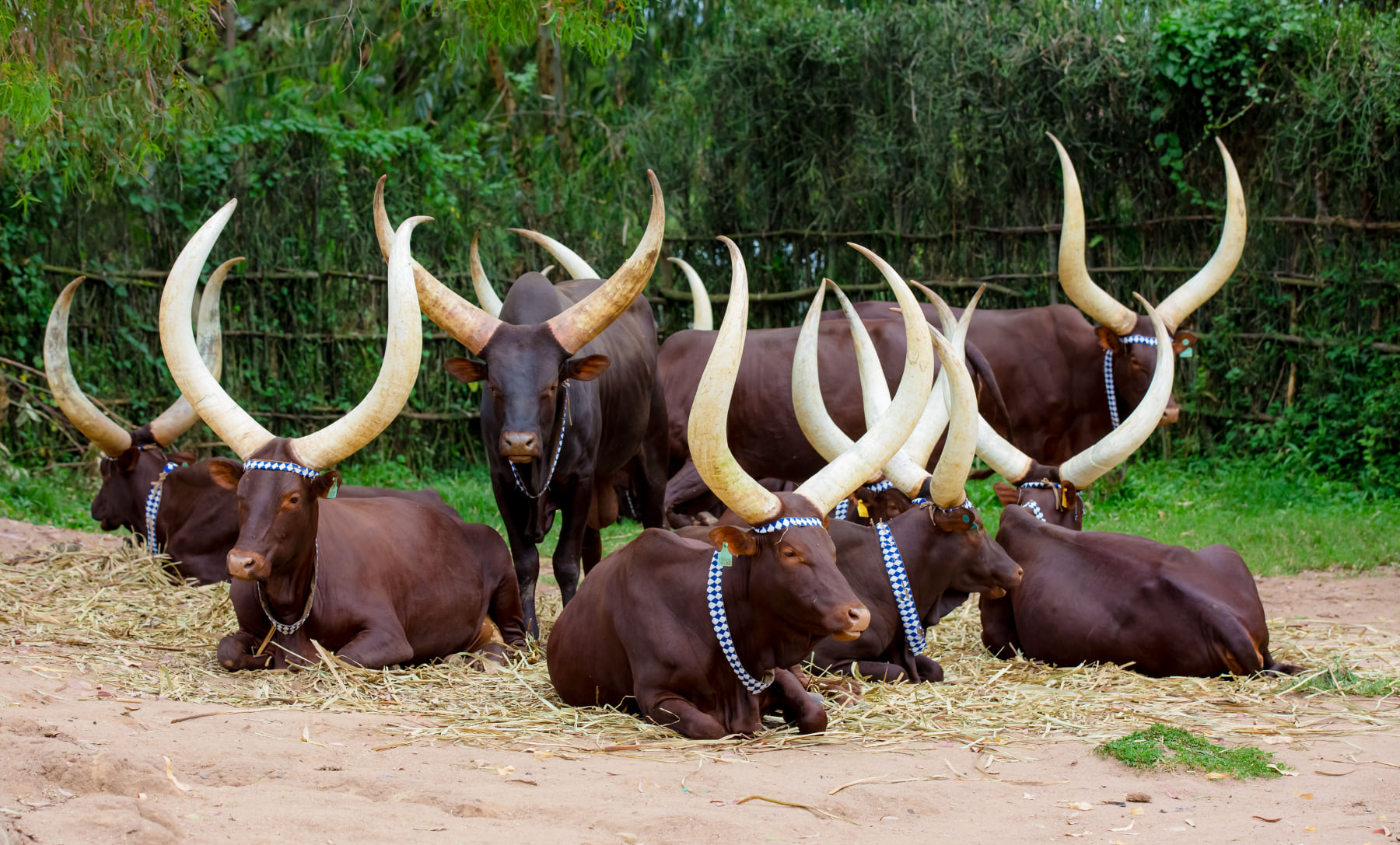
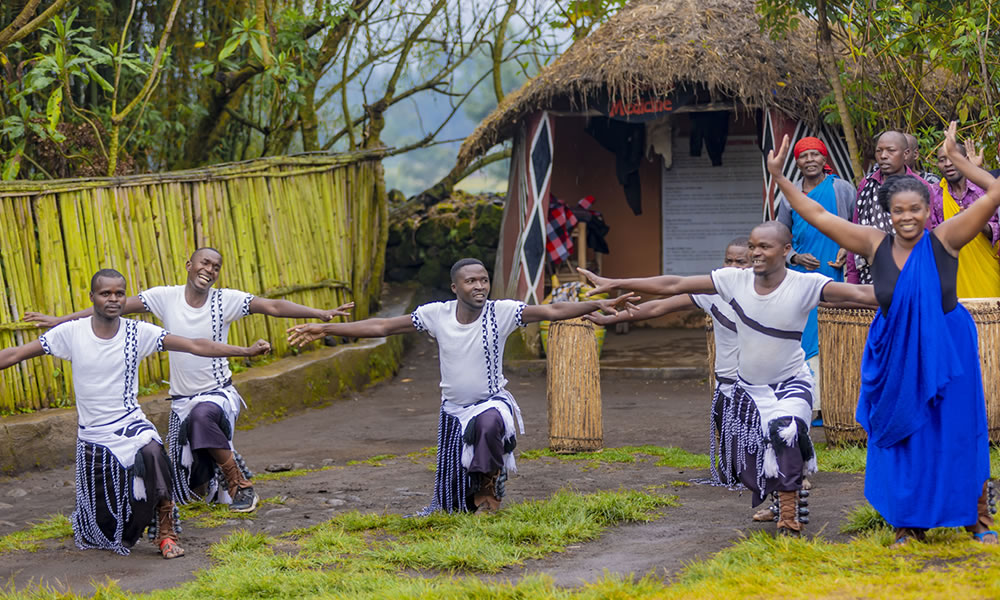
Food is just one entry point into a much bigger picture. Rwanda's culture also includes:
Traditional dance and Intore performances
Traditional music and storytelling
Imigongo art
Basket weaving and pottery
Local crafts
Cultural villages
Traditional farming practices
Coffee and tea experiences
Hands-on cooking classes
Each of these adds another layer to understanding Rwanda's history and creativity.
Where to Find It
Kigali The capital blends Rwanda's modern food scene with its traditional roots. Local restaurants, street food, coffee shops, markets, and neighborhood spots all within reach.
Musanze Best known for the mountain landscapes nearby, Musanze also offers a strong dose of agricultural and cultural life.
Huye In southern Rwanda, Huye is a good place for local food, crafts, and community-based experiences.
Lake Kivu Lakeside dining, fresh fish, and a slower pace. Lake Kivu offers a different kind of culinary experience altogether.
Traveling with Respect
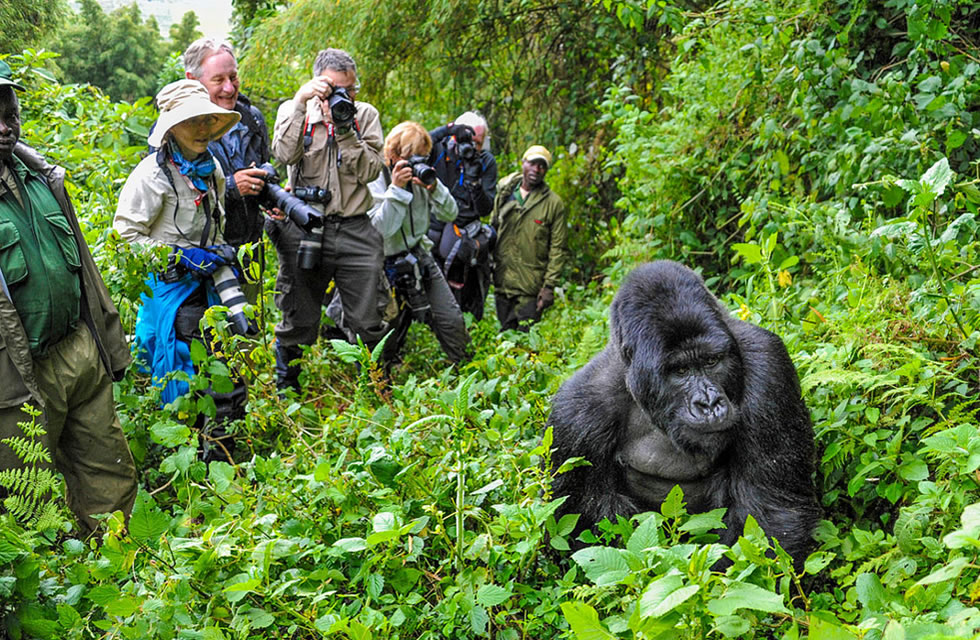
A good cultural experience starts with respect. A few simple habits go a long way:
Ask before photographing people
Respect local customs
Try the food with an open mind
Support local restaurants, artisans, and guides
Learn a few words of Kinyarwanda
Listen to people's stories, not just look for photo opportunities
Don't treat local traditions like entertainment. They mean something to the people living them
Even a simple "Muraho" (hello) or "Murakoze" (thank you) can change how a conversation feels.
Why Food Belongs on Your Rwanda Itinerary
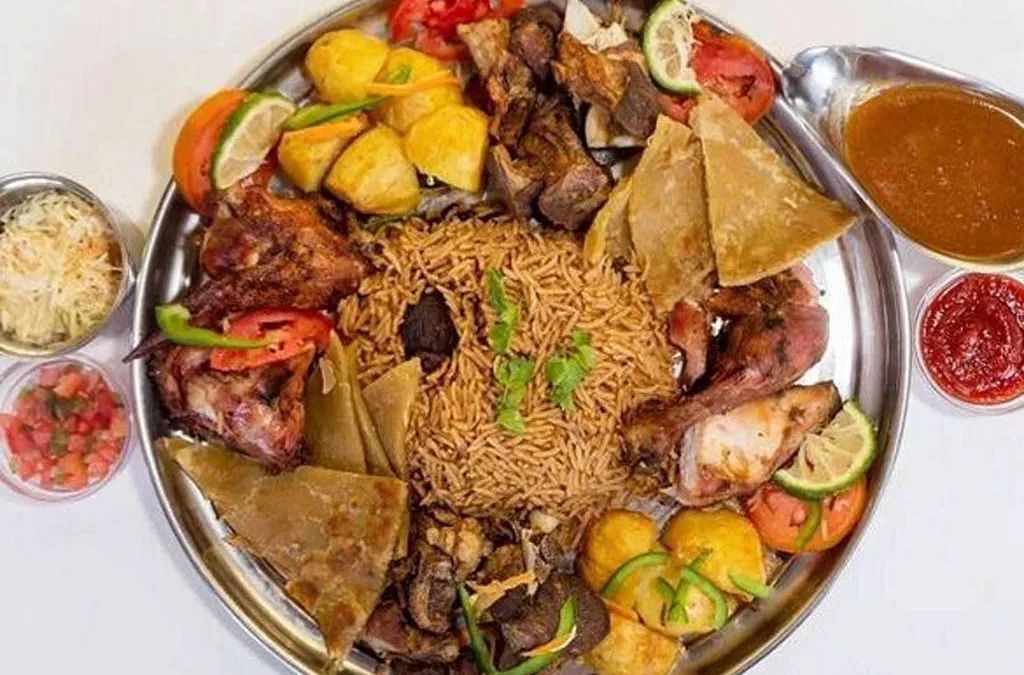
The hills and landscapes might be what get you on the plane. But it's usually the people, the food, and the everyday moments that stay with you after you leave.
A shared meal introduces you to a family. A market shows you real daily life. A coffee farm connects you to the land itself. A dance performance tells a story no photo could capture.
Food in Rwanda isn't just something you eat. It's a way in.
So when you visit the Land of a Thousand Hills, don't just ask where to go next.
Ask: What should I taste? Who made it? What's the story behind it?